From the weathered facades of fishing villages to the colonial-era charm of harbor towns, South Africa's coastal architecture tells stories of maritime heritage, cultural fusion, and adaptive design in harsh seaside conditions.
Explore Our ServicesThe architectural landscape of South Africa's smaller coastal settlements reflects a unique convergence of influences. Dutch colonial elements merge with British Victorian sensibilities, while indigenous design principles adapt to the saline air and relentless wind.

These towns were not built for tourists. They emerged from necessity, housing fishermen, traders, and port workers whose livelihoods depended on the sea's temperament.
Walk through any of these settlements and you notice patterns. Verandas face away from prevailing winds. Roofs pitch steeply to shed salt-laden rain. Paint colors fade into pastels under constant UV exposure, creating an unintended palette that now defines the aesthetic.
Materials were chosen for durability rather than appearance. Corrugated iron, which arrived with industrialization, replaced thatch because it withstood both fire and moisture. Thick walls provided thermal mass against temperature swings between day and night.
The architecture here wasn't theoretical. Windows positioned high on walls reduced sand infiltration during storms. External staircases prevented tracked-in beach grit from accumulating indoors. Outdoor washing areas acknowledged the constant battle against salt corrosion.
What modern architects might call "sustainable design" was simply common sense to builders who understood their climate intimately.
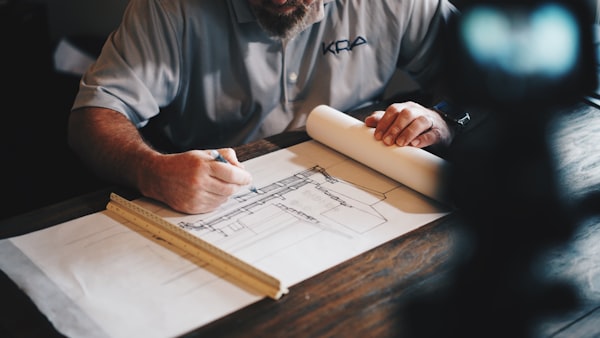
Comprehensive architectural surveys of coastal heritage structures, including measured drawings, photographic records, and condition assessments.
Expert consultation for historically sensitive restoration projects, ensuring authenticity while meeting contemporary building standards.
Design strategies for new construction that respects local architectural vernacular while incorporating climate-resilient features.
Analysis of streetscape patterns, building relationships, and spatial organization within coastal town centers.
Selection and specification of appropriate materials for coastal environments, balancing historical accuracy with modern performance requirements.
As these towns face development pressure, the challenge becomes maintaining architectural identity without creating museum pieces. Buildings must serve contemporary functions while respecting the design logic that made them successful in the first place.
Our approach recognizes that authentic preservation sometimes means accepting change, as long as that change understands and continues the underlying principles rather than superficially copying appearances.
Select a service above, then complete this form to begin discussing your architectural needs.